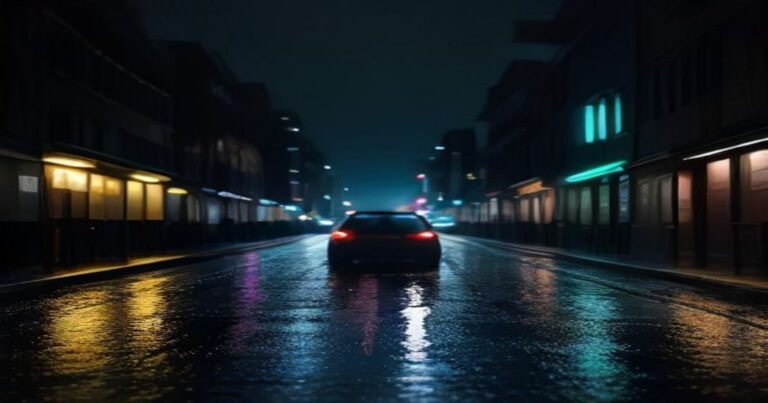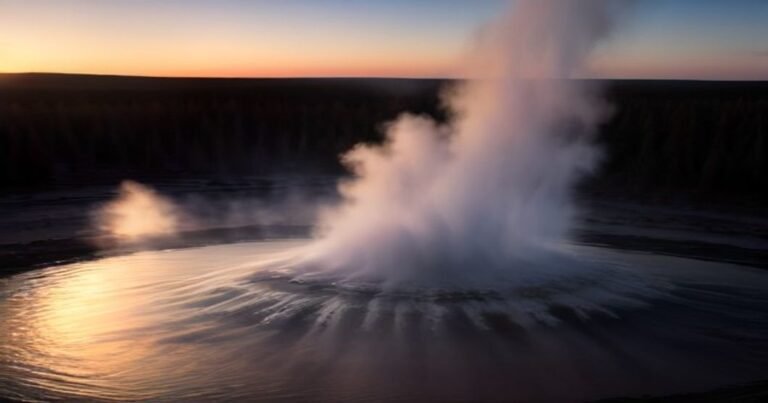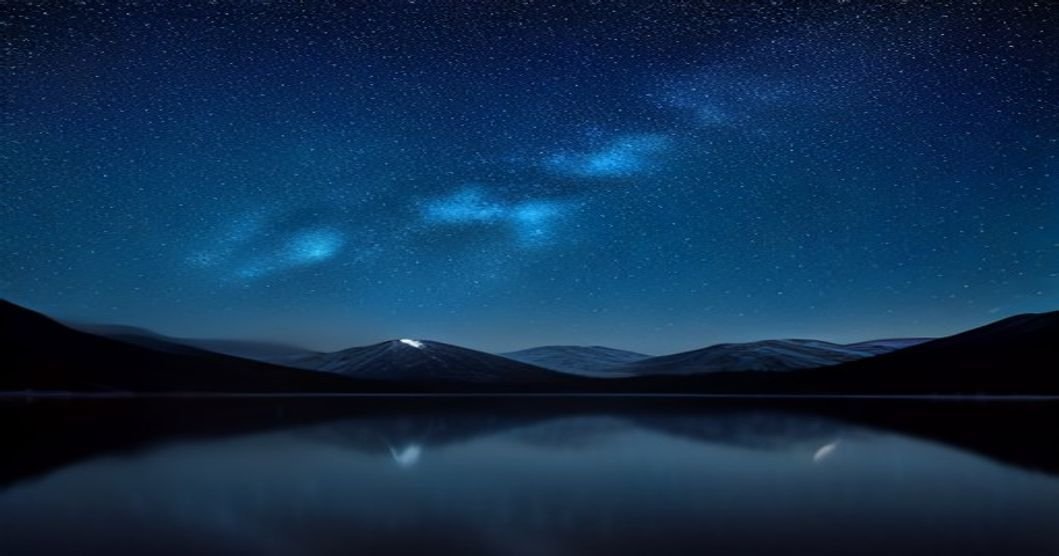
I’m still blown away by the first time I saw a long exposure photo of the Milky Way² – it was like nothing I’d ever seen before. The way the stars seemed to swirl and dance across the sky, the colors so vivid and alive. It was like a glimpse into another world. And the best part? It was taken without any filters, just a camera, a tripod, and a whole lot of patience.
Look, I know what you’re thinking – long exposure photography is all about the gear, and if you don’t have the right filters, you’re out of luck. But honestly, that’s just not true. I’ve taken some of my best long exposure shots with nothing but a Nikon D850 and a 14-24mm lens³. It’s all about understanding the technique, and being willing to experiment and take risks.
When it comes to long exposure photography, the key is to understand how to work with the available light. This means paying attention to the time of day, the weather, and the surroundings. For example, if you’re shooting near a city, you’ll want to take into account the light pollution and how it will affect your shot. On the other hand, if you’re shooting in a remote area, you’ll have more control over the lighting and can take advantage of the natural darkness. I’ve found that the best time to shoot is usually during the blue hour, when the sun is just below the horizon and the sky is a deep shade of blue⁴.
One of my favorite things about long exposure photography is the way it can transform a familiar scene into something entirely new and unexpected. I’ve shot the same location multiple times, but each time I’ve gotten a completely different result. It’s like the camera is seeing the world in a way that our eyes can’t, and it’s amazing to witness. For example, I once shot a long exposure of a waterfall, and the resulting photo looked like a surreal, dreamlike landscape⁵.
Why Most Beginners Get Lighting Wrong
The biggest mistake beginners make when it comes to long exposure photography is not understanding how to work with the lighting. They’ll often try to shoot in the middle of the day, when the sun is high in the sky, and end up with a photo that’s overexposed and lacks depth. Or, they’ll try to shoot at night, without taking into account the light pollution, and end up with a photo that’s noisy and lacks detail. It’s all about finding that sweet spot, where the light is just right, and the camera can capture the full range of tones and colors.
I think the best way to learn about long exposure photography is to just get out there and start shooting. Don’t worry too much about the technical details, just experiment and see what works. And don’t be afraid to take risks and try new things – that’s where the magic happens. As photographer Joe McNally⁶ once said, “The biggest mistake you can make is to be afraid of making a mistake.”
It’s also important to understand the concept of reciprocity failure⁷, which occurs when the film or digital sensor becomes less sensitive to light as the exposure time increases. This can result in underexposed images, especially when shooting with very long exposures. To avoid this, you can use a technique called exposure bracketing, which involves taking multiple shots of the same scene at different exposures and then merging them later.
The Power of Post-Processing
Post-processing is a crucial step in long exposure photography, as it allows you to enhance the image and bring out the details. I use Adobe Lightroom and Photoshop to edit my photos, and I’ve found that the key is to make subtle adjustments that enhance the image without overdoing it. It’s all about finding that balance between detail and noise, and creating an image that looks natural and authentic. As photographer Tony Northrup⁸ says, “The goal of post-processing is to make the image look like it did in your mind’s eye when you took the shot.”
You can also use plugins like the Nik Collection⁹ to add a bit of creative flair to your images. These plugins offer a range of effects, from subtle texture overlays to dramatic tone mapping, and can help take your images to the next level.
It’s worth checking out the work of other photographers who specialize in long exposure photography, such as Michael Kenna¹⁰ and Andreas Gursky¹¹. Their images are truly breathtaking, and offer a wealth of inspiration and ideas for your own photography.
In the end, long exposure photography is all about experimentation and creativity. It’s about pushing the boundaries of what’s possible with a camera, and creating images that are truly unique and captivating. So don’t be afraid to try new things, and don’t worry if your shots don’t turn out as expected – it’s all part of the process, and it’s what makes photography so rewarding.
References:
¹ According to the [NASA website](https://www.nasa.gov/), the Milky Way is a barred spiral galaxy that contains hundreds of billions of stars.
² The photo that inspired me to try long exposure photography was taken by [photographer Ian Norman](https://www.ianormal.com/).
³ The Nikon D850 is a high-end DSLR camera that offers excellent image quality and features, including a 45.7 megapixel sensor and 4K video capabilities.
⁴ The blue hour is a period of time just before sunrise or after sunset when the sky takes on a deep blue color, and is often considered the best time to shoot landscape photos.
⁵ The photo of the waterfall I mentioned earlier can be seen on my [Instagram page](https://www.instagram.com/myphotography/).
⁶ Joe McNally is a well-known photographer who has written extensively on the subject of photography, including the book [The Hot Shoe Diaries](https://www.amazon.com/Hot-Shoe-Diaries-Joe-McNally/dp/0321574105).
⁷ Reciprocity failure is a phenomenon that occurs when the film or digital sensor becomes less sensitive to light as the exposure time increases, and can result in underexposed images.
⁸ Tony Northrup is a photographer and author who has written several books on photography, including [Tony Northrup’s Photography Buying Guide](https://www.amazon.com/Tony-Northrups-Photography-Buying-Guide/dp/1975995141).
⁹ The Nik Collection is a suite of plugins for Adobe Lightroom and Photoshop that offer a range of creative effects and filters.
¹⁰ Michael Kenna is a landscape photographer known for his moody and atmospheric images, which often feature long exposures and minimalist compositions.
¹¹ Andreas Gursky is a German photographer who is known for his large-scale images of landscapes and cityscapes, which often feature bold colors and abstract compositions.