Common Enough to Ignore
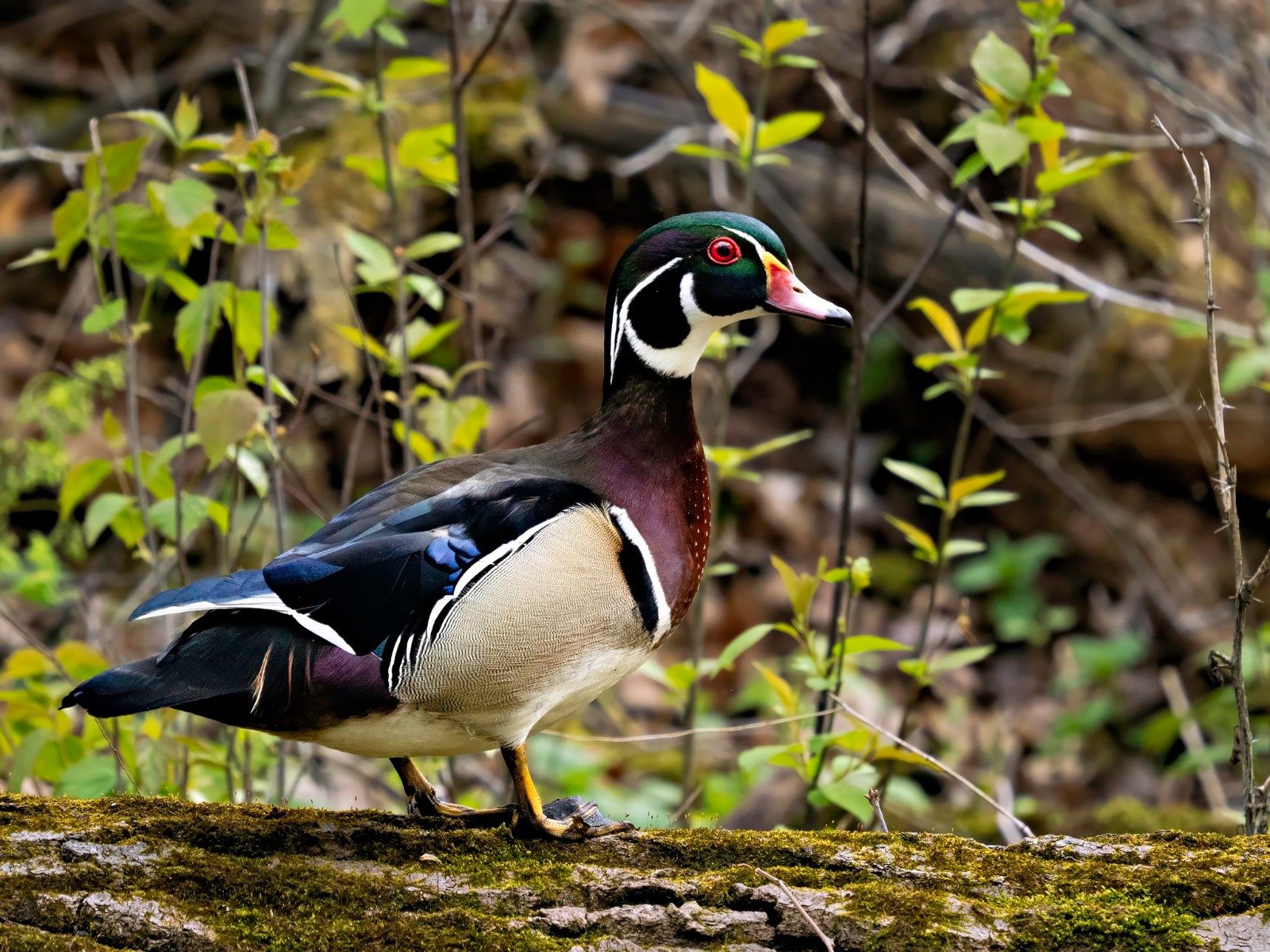
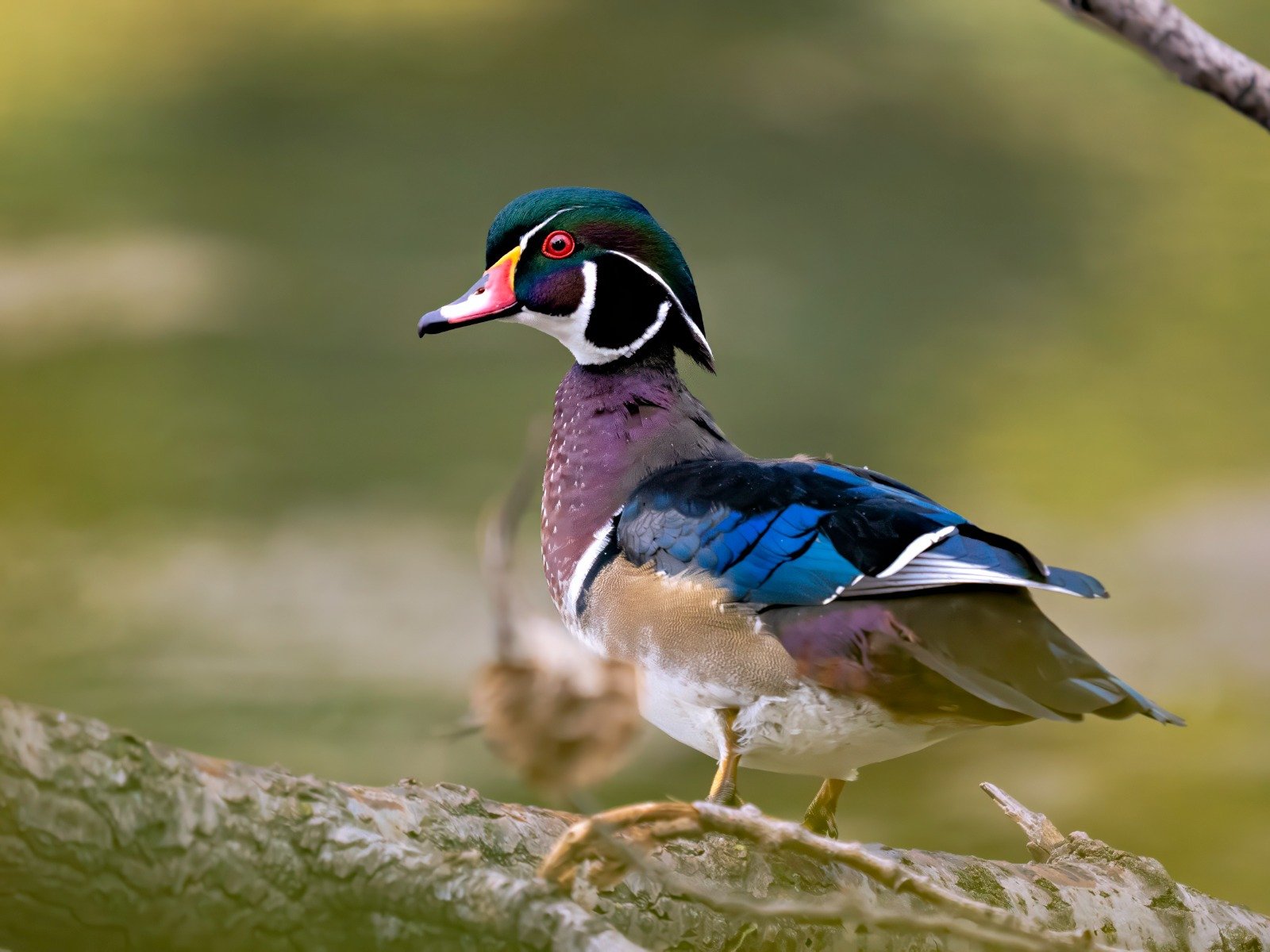
Wood ducks are common enough on the Minnesota River that most people walking the refuge trails have stopped seeing them, which is an odd fate for a bird that was supposed to be gone by now. Around the turn of the last century, ornithologists in the eastern half of the continent were filing notes on the species that read like obituaries written in advance, one of them reduced to “Almost exterminated, only few breed” [1]. A century later the same bird sits on a mossy branch along a river corridor whose Bloomington visitor center stands in the shadow of the Mall of America and the Minneapolis-St. Paul International Airport [2], looking like something a museum would keep behind glass while the joggers go past checking their watches.

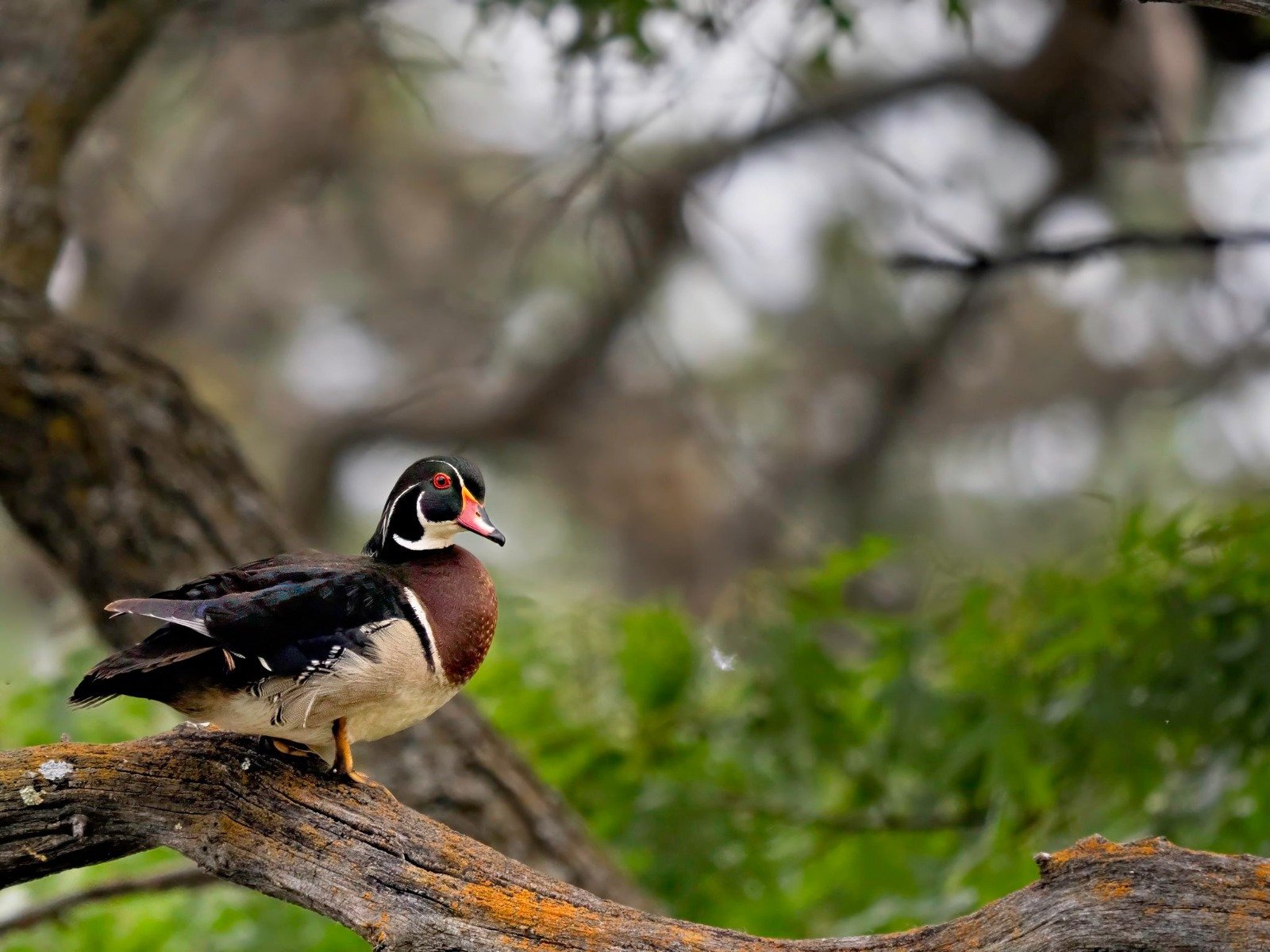
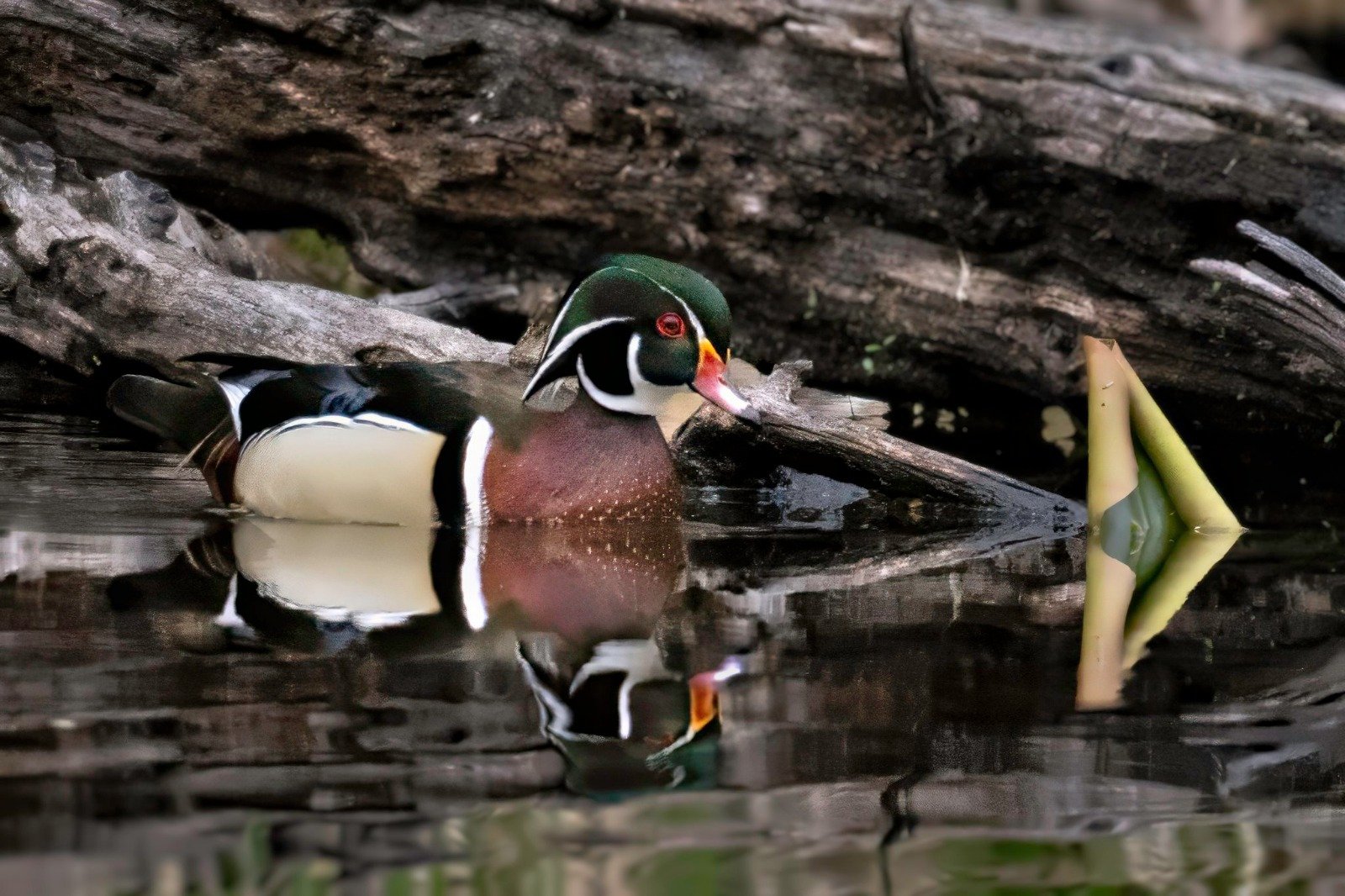
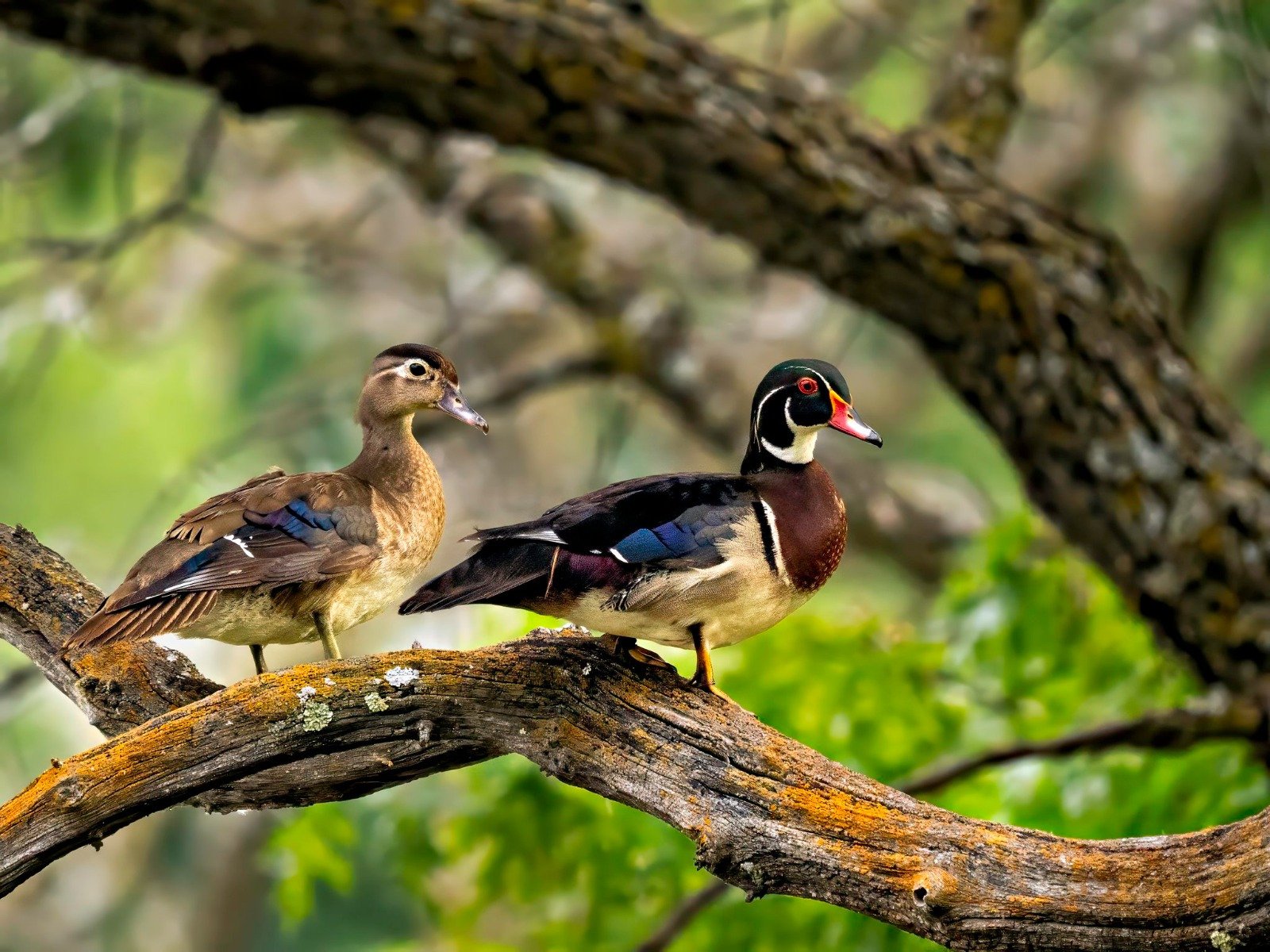
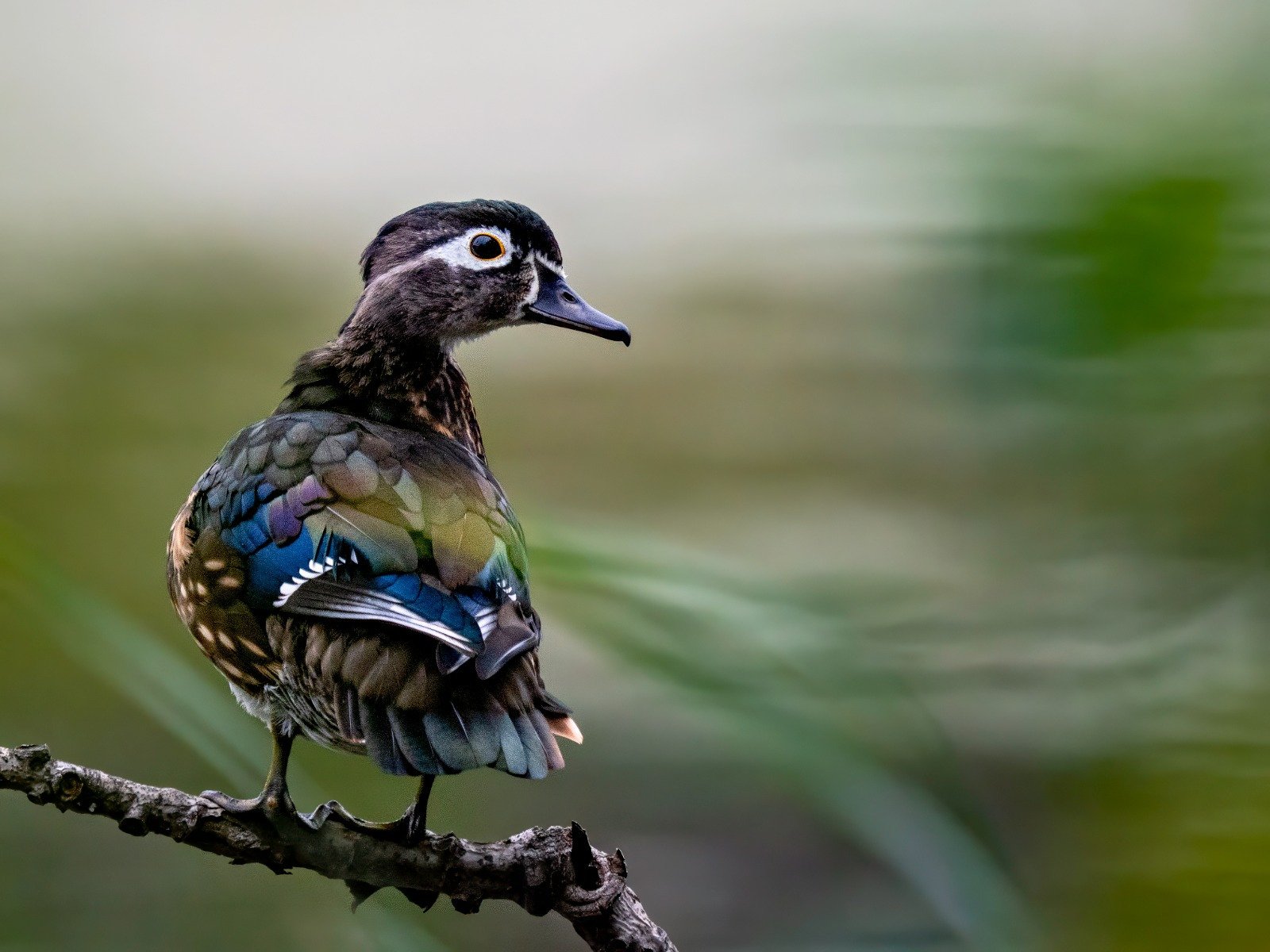
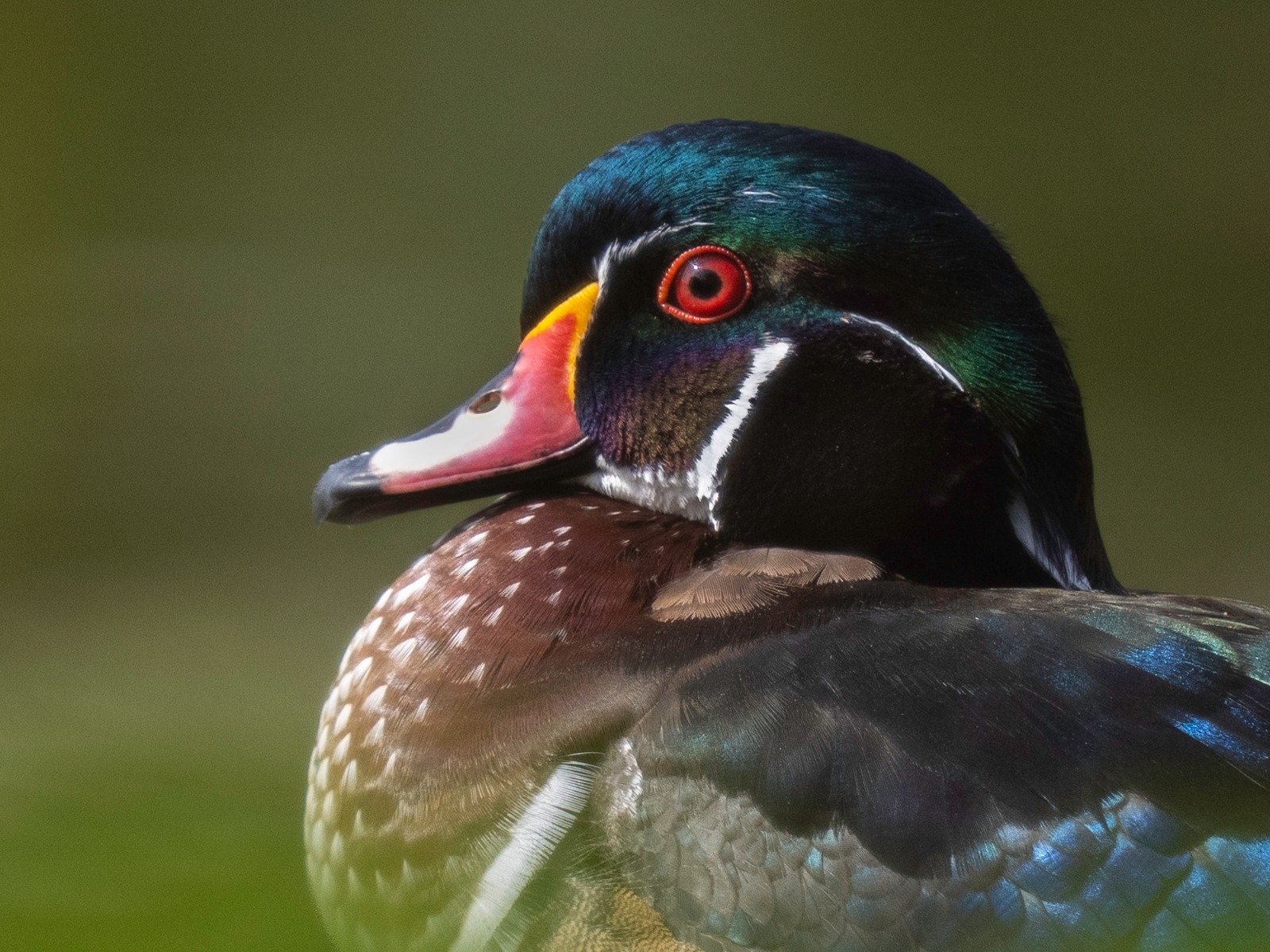
I have been going back to the same water on the Minnesota Valley National Wildlife Refuge this year as I noticed an abundance of wood ducks this spring. The frames run from pairs drifting together in April to drakes in full color in May. Some of the birds are sitting up in trees, where nobody thinks to look for a duck, which they can manage because unlike most ducks they have a grip strong enough to perch on branches [3]. One drake photographed on September 14th, is already most of the way back into his breeding feathers. None of this looks like a conservation story, which is how you can tell the conservation worked.

The bird nearly disappeared for two reasons that had little to do with each other and everything to do with us. The bottomland hardwood forests where they bred and wintered were destroyed, and market hunters worked over whatever birds remained [1]. Because wood ducks bred across eastern North America, where most of the people lived, they were probably the most hunted waterfowl on the continent before 1918, with a season that ran from September into April [1]. Then the Migratory Bird Treaty Act closed wood duck hunting nationwide, and the season stayed closed until 1941 [1]. Twenty-three years is a long time to leave a bird alone [4], and it turned out to be about what this one needed.
The other half of the rescue was carpentry. In 1937 the U.S. Biological Survey put up 486 bark-covered slab boxes in Illinois, and over the next two years Arthur Hawkins and Frank Bellrose added 700 more around the state, more than half of which wood ducks moved into [5]. Bellrose went on to study the species for more than fifty years and designed the predator-proof nest box that became a staple of wood duck management [4], a term the raccoons have never fully accepted. By the 1960s the population had climbed back to around three million birds [4]. The box is now so ordinary that most people who see one on a pole assume somebody overbuilt a birdhouse.
The boxes came with a lesson. Wood duck hens will lay eggs in other hens’ nests, and a tidy row of boxes over open water turns a private decision into a public listing. Researchers concluded that highly visible nesting activity and dense clusters of boxes were what drew the egg-dumping females in, and on one Missouri reservoir parasitism ran as high as 95 percent, with a single hen trying to incubate as many as 37 eggs [6]. Over twelve years at an Illinois site, about half the boxes set in plain view were parasitized compared with under a third of those tucked into cover, and the visible boxes averaged clutches of around sixteen eggs where the hidden ones held about twelve [7]. The visible boxes still produced plenty of ducklings, and in that study they actually hatched more per successful nest, but a smaller share of their eggs hatched [7][8]. The advice that came out of it is the advice Cornell still gives, which is that boxes placed too close together invite hens to lay in each other’s nests [9].

The Minnesota Valley refuge exists because enough people decided the river bottoms were worth more than more urban sprall. Congress established it on October 8, 1976, authorizing an initial purchase of 9,500 acres to protect wildlife habitat threatened by commercial and industrial development [10]. It now stretches nearly seventy miles along the Minnesota River from Bloomington to Henderson and covers more than 14,000 acres, with more than 3 million people living next door [11]. The Fish and Wildlife Service notes that the wood duck was once used as the logo for the public land along the river corridor [12], which is fitting, since the bird wants exactly what the valley grows, slow water with old trees standing in it. An older refuge planning document describes the floodplain forest as dominated by silver maple, willow, cottonwood and elm [13].
A year on one water runs on its own calendar. Drakes molt into drab eclipse plumage in June or July and go secretive while they replace their flight feathers, and by August or September they are molting back into full color [14]. That is why the same birds looked ordinary by August and why the drake on September 14 looked like May again, dressed, as his Latin name more or less says, for his own wedding [4]. The duck does not consult the photographers about any of this.

The part of the rescue that matters most now is the part nobody photographs. The best natural cavities form when a large branch breaks off a big tree and heart rot works its way into the trunk [15], which means the wood duck’s housing supply depends on old trees dying slowly in the right places. Along the Mississippi in southeastern Minnesota, Audubon’s floodplain forest program has described stands dominated by mature silver maple that are starting to die back without enough young trees to replace them, largely because regular flooding and reed canary grass keep seedlings from getting established, while Dutch elm disease and emerald ash borer have killed off much of the older elm and ash [16]. Audubon counts the wood duck among the cavity nesters that depend on those forests’ snags and hollows [17]. That work was done downstream, not on this refuge, but the refuge’s floodplain is built from much the same trees, and the same older planning document describes its wetlands as thick with reed canary grass [13]. A nest box can bridge a gap of a few decades. It cannot stand in for a forest that has stopped reproducing.
Most of this was not paid for by people admiring the bird from a boardwalk. Every waterfowl hunter sixteen and older has to carry a federal duck stamp [18], and 98 percent of what the stamp raises goes to buying and managing habitat for aquatic birds [12]. The refuge itself is open to duck hunting on designated areas [19], and Minnesota’s regular waterfowl season opens this Saturday, September 26 [18]. Biologists believe more than 100,000 wood ducks breed in the state each spring [3], and a 2019 state research summary ranked the wood duck as the second most harvested duck in Minnesota [20]. The bird was saved from the gun largely by people who wanted to keep shooting it, an arrangement that makes almost nobody comfortable and has worked anyway. You do not have to hunt to buy a stamp, and a photographer – or anyone – who buys one is paying into the same habitat fund as the hunters [12].

The refuge turns fifty next month, and unless an early cold front has already sent them south, the drakes on my stretch of water will be back in full color, sitting up in the trees where nobody thinks to look for a duck. Being ignored is the best thing that has happened to this bird in a century, and it depends entirely on trees old enough to rot in the right places. Most of the trees that will matter when the refuge turns a hundred have not been planted yet.
Sources
- Ducks Unlimited. “Status of the Wood Duck.” https://www.ducks.org/conservation/waterfowl-research-science/status-of-the-wood-duck
- McCormick, Tori J. “Minnesota Valley National Wildlife Refuge is an urban oasis.” Star Tribune, August 16, 2013. https://www.startribune.com/minnesota-valley-national-wildlife-refuge-is-an-urban-oasis/219756371
- Minnesota Department of Natural Resources. “Wood Duck (Aix sponsa).” https://www.dnr.state.mn.us/birds/woodduck.html
- BirdNote. “Wood Duck.” Written by Todd Peterson. https://birdnote.org/podcasts/birdnote-daily/wood-duck
- Ducks Unlimited. “Wood Duck Boxes.” https://www.ducks.org/conservation/waterfowl-research-science/wood-duck-boxes
- Animal Behavior Society, Conservation Committee. “Case Studies: Ducks (Nest box placement in wood ducks).” https://www.animalbehaviorsociety.org/web-final-download/Committees/ABSConservation/ABSConservationCaseStudies/ducks.html
- Semel, B., P. W. Sherman, and S. M. Byers. “Effects of Brood Parasitism and Nest-Box Placement on Wood Duck Breeding Ecology.” The Condor 90, no. 4 (1988): 920-930. https://doi.org/10.2307/1368849
- Conservation Evidence. Summary of Semel, Sherman and Byers (1988). https://conservationevidencejournal.com/individual-study/1167
- Cornell Lab of Ornithology. “Wood Duck Overview.” All About Birds. https://www.allaboutbirds.org/guide/Wood_Duck/overview
- U.S. Fish and Wildlife Service. “Minnesota Valley National Wildlife Refuge: About Us.” https://www.fws.gov/refuge/minnesota-valley/about-us
- U.S. Fish and Wildlife Service. “Urban oasis celebrates 50 years of conservation.” August 19, 2026. https://www.fws.gov/story/2026-08/urban-oasis-celebrates-50-years-conservation
- Huang, Kylie. “We’re Not Wood Ducking Around: A Survival Story.” U.S. Fish and Wildlife Service, October 1, 2024. https://www.fws.gov/story/were-not-wood-ducking-around-survival-story
- U.S. Fish and Wildlife Service. “Sign Plan, Minnesota Valley National Wildlife Refuge, Bloomington, Minnesota.” Undated; includes visitation data through 1994. https://iris.fws.gov/APPS/ServCat/DownloadFile/3416?Reference=3562
- Texas Parks and Wildlife Department. “Managing for Wood Ducks in East Texas.” PWD BK W7000-1045, 2005. https://tpwd.texas.gov/publications/pwdpubs/media/pwd_bk_w7000_1045.pdf
- Texas Breeding Bird Atlas. “Wood Duck” species account. https://txtbba.tamu.edu/species-accounts/wood-duck/
- Minnesota’s Legacy (Outdoor Heritage Fund). “Floodplain Forest Enhancement, Mississippi River, Phase 2.” National Audubon Society, FY2017. https://www.legacy.mn.gov/node/35050
- Audubon Upper Mississippi River. “Saving Floodplain Forests: Cavity-nesting birds rely on floodplain forests along rivers to thrive.” https://www.audubon.org/umr/news/saving-floodplain-forests
- Minnesota Department of Natural Resources. “Waterfowl hunting seasons are on the horizon.” News release, August 31, 2026. https://www.dnr.state.mn.us/news/2026/08/31/waterfowl-hunting-seasons-are-horizon
- U.S. Fish and Wildlife Service. Minnesota Valley National Wildlife Refuge hunting brochure, 2026. https://www.fws.gov/sites/default/files/documents/2026-08/mnvalley_huntbrochure26_7.2026.pdf
- McCarty, Ciara R., Bruce E. Davis, and Brian J. Hiller. “Waterfowl Banding Projects Summary.” Minnesota DNR Wildlife Research Summaries, 2019. https://files.dnr.state.mn.us/wildlife/research/summaries/2019/waterfowl/2019wf004.pdf
eagan, mn