I’m looking at one of my favorite photos, taken on a trip to Yellowstone, and it’s the foreground elements that make it pop. A few branches of a worn-out tree, some rocks, and a shallow stream leading the viewer’s eye to the majestic Old Faithful in the background. It’s not just about the subject, it’s about the journey to get there. I think that’s what separates a good photo from a great one.
The way I see it, most beginners get foreground elements wrong because they’re too focused on the main subject. They’ll frame the shot, making sure their model or landmark is perfectly centered, and then forget about everything else. But that’s not how you create a compelling image. You need to consider the entire scene, from the ground up, literally. Look at the work of Annie Leibovitz, she’s a master of using foreground elements to add context and emotion to her portraits¹.
One of my favorite exercises to practice using foreground elements is to shoot from a low angle, getting down low and dirty with my camera. It’s amazing how a simple change in perspective can completely transform a scene. Suddenly, a mundane rock or branch becomes a leading line, guiding the viewer’s eye to the main subject. And don’t even get me started on the power of depth of field – a shallow depth of field can make your foreground elements pop, while a large depth of field can create a sense of intimacy and connection to the scene².
I was reading an interview with Ansel Adams the other day, and he was talking about how he’d often spend hours, even days, waiting for the perfect shot. He’d set up his camera, and then just wait for the light to be right, for the clouds to move into place, for the foreground elements to align. It’s that kind of patience and dedication that separates the pros from the amateurs. And it’s not just about the technical aspects of photography, it’s about having a vision and being willing to wait for it to come together³.
Now, I know some of you might be thinking, “But what about when I’m shooting in a studio, or in a controlled environment? How do I use foreground elements then?” Well, that’s where props and set design come in. You can use fabrics, textures, and objects to create a foreground that adds depth and interest to your image. Check out the work of photographer, Gregory Crewdson, who’s known for his elaborate and detailed sets⁴.
It’s all about experimentation and practice. Don’t be afraid to try new things, to move objects around, to play with different depths of field. And don’t be too hard on yourself if it doesn’t work out at first. I mean, even the pros have off days. Just look at the contact sheets of some of the most famous photographers – you’ll see plenty of mistakes and misfires⁵.
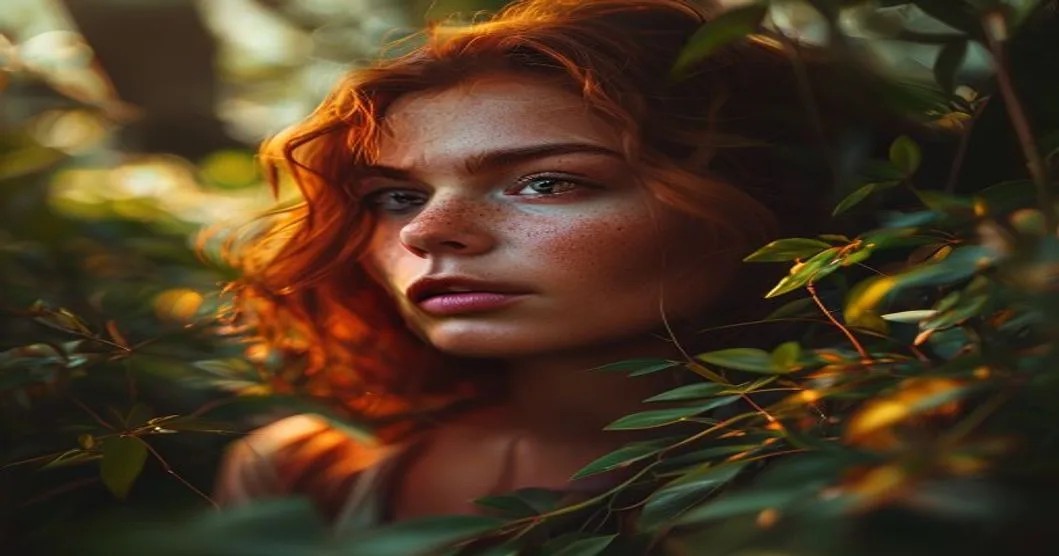
The key is to keep it simple, to not overthink it. Sometimes, the most powerful foreground elements are the ones that are simplest, most subtle. A few leaves, a rock, a piece of fabric. It’s not about cluttering up the frame, it’s about adding a few, well-placed elements that guide the viewer’s eye and add depth to the image.
Take a look at this photo I took in the Grand Canyon – it’s just a simple branch, but it leads the viewer’s eye right to the edge of the cliff, and then out into the vast expanse of the canyon. It’s a small element, but it makes a huge difference in the overall impact of the image. And that’s the power of foreground elements – they can make or break a photo, adding depth, emotion, and context to an otherwise flat image.
I believe that’s what separates a good photographer from a great one – the ability to see the entire scene, to consider every element, from the foreground to the background. It’s not just about the technical aspects of photography, it’s about having a vision, and being willing to wait for it to come together. So next time you’re out shooting, take a closer look at the foreground elements – you might be surprised at the difference they can make.
You can learn more about the power of foreground elements from the [National Geographic Photography website](https://www.nationalgeographic.org/photography/), which features a wide range of articles, tutorials, and photographer profiles.
It’s time to start experimenting with foreground elements in your own photography.
References:
¹ Annie Leibovitz, *Annie Leibovitz: Portraits 2005-2016* (Phaidon, 2017)
² Bruce Barnbaum, *The Art of Photography: An Approach to Personal Expression* (Rocky Nook, 2010)
³ Ansel Adams, *Ansel Adams: An Autobiography* (Little, Brown and Company, 1985)
⁴ Gregory Crewdson, *Gregory Crewdson: Brief Encounters* (Aperture, 2015)
⁵ Magnum Contact Sheets, edited by Kristen Lubben (Thames & Hudson, 2011)